

Knee pain is a common condition that can affect people of all ages. It may range from mild discomfort to persistent pain that affects walking, standing, climbing stairs, exercise, and everyday activities.
Knee pain may develop suddenly due to an injury or strain, or gradually because of age-related changes, arthritis, muscle weakness, overuse, or problems involving the ligaments, tendons, cartilage, or surrounding structures. Identifying the underlying cause is important for choosing the right treatment and preventing the condition from becoming chronic.
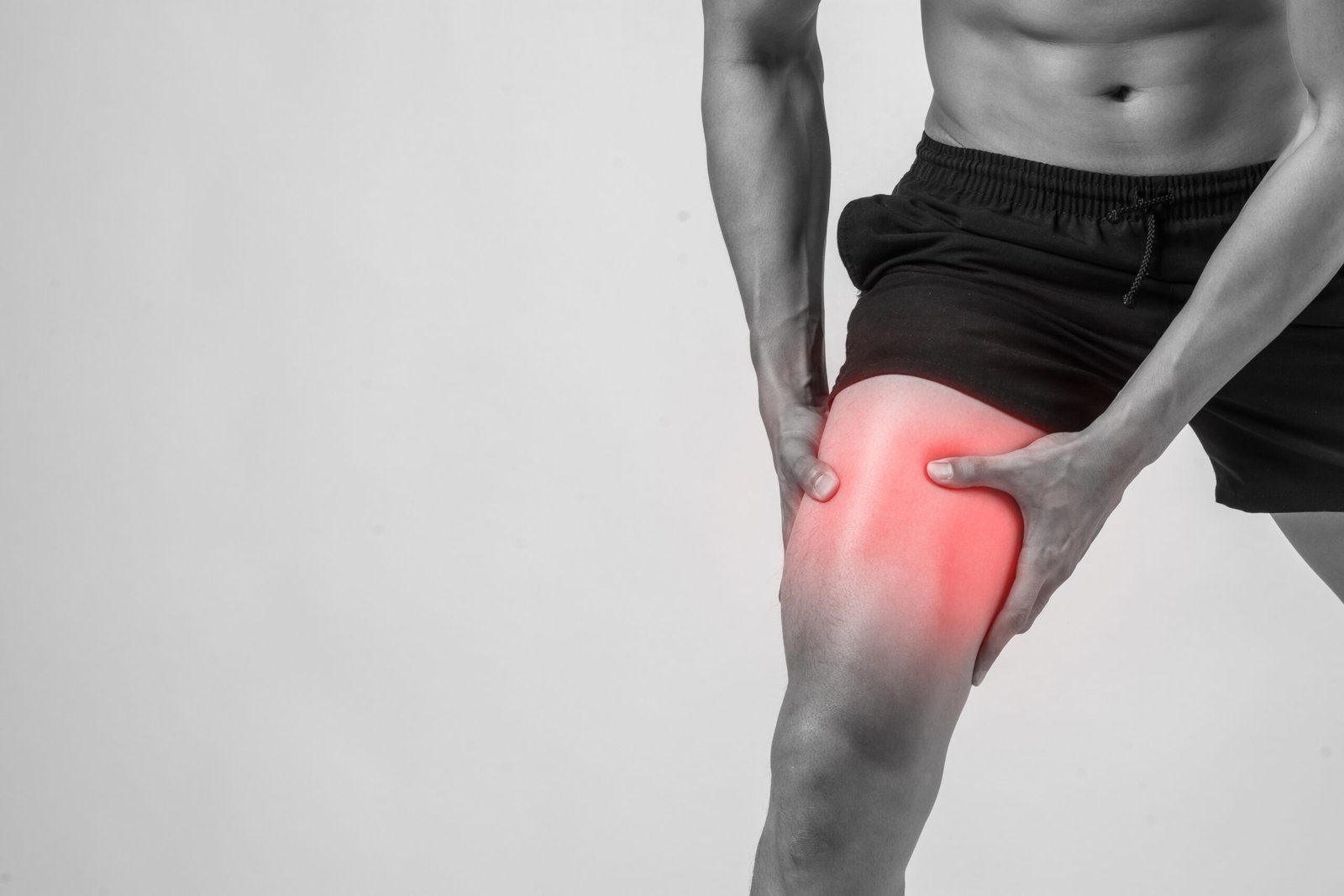
Knee pain can have several possible causes, including:
Knee pain may present differently depending on its cause and severity. Common symptoms include:

A detailed evaluation is performed to identify the underlying cause of knee pain. Your specialist may assess your symptoms, walking pattern, knee movement, joint stability, muscle strength, and surrounding structures.
Depending on your symptoms and examination findings, diagnostic investigations such as X-rays, MRI, ultrasound, or other imaging tests may be recommended to evaluate the bones, cartilage, ligaments, tendons, and other structures of the knee.
Yes. Many causes of knee pain can be managed without surgery. Depending on the underlying condition, treatment may include medication, physiotherapy, therapeutic exercises, activity modification, weight management, supportive measures, and other non-surgical approaches.
Your specialist will recommend a treatment plan based on the cause and severity of your knee pain.
Physiotherapy can help reduce pain, improve joint movement, and strengthen the muscles supporting the knee. A personalized programme may include strengthening exercises, stretching, mobility exercises, balance training, and movement correction based on your condition.
Yes. Excess body weight can place additional stress on the knee joints and may contribute to pain and reduced mobility, particularly in conditions such as osteoarthritis. Maintaining a healthy weight and staying physically active with appropriate exercises can help reduce stress on the knees.
Surgery may be considered when severe or persistent knee pain does not improve with appropriate non-surgical treatment or when there is significant structural damage to the joint. The need for surgery depends on the underlying condition, severity of symptoms, functional limitations, and response to other treatments.
Expert spine and joint care combining advanced diagnostics, integrated treatments, and personalized rehabilitation for lasting recovery.

Kerala’s trusted destination for advanced integrated spine and joint care.
Copyright © 2026 Aarjaya , All rights reserved.
Expert spine and joint care combining advanced diagnostics, integrated treatments, and personalized rehabilitation for lasting recovery.
Copyright © 2026 Aarjaya , All rights reserved.
Get expert spine and joint care from Aarjaya specialists through a convenient online consultation from anywhere.