

Postural disorders occur when the body’s alignment is altered due to prolonged poor posture, muscle imbalance, reduced flexibility, or other physical factors. They can affect the neck, shoulders, back, pelvis, and other parts of the musculoskeletal system
Poor posture may develop gradually due to prolonged sitting, excessive screen time, improper workplace ergonomics, lack of physical activity, or repetitive movements. Over time, abnormal posture can place additional stress on the muscles, joints, and spine, leading to pain, stiffness, and restricted movement.
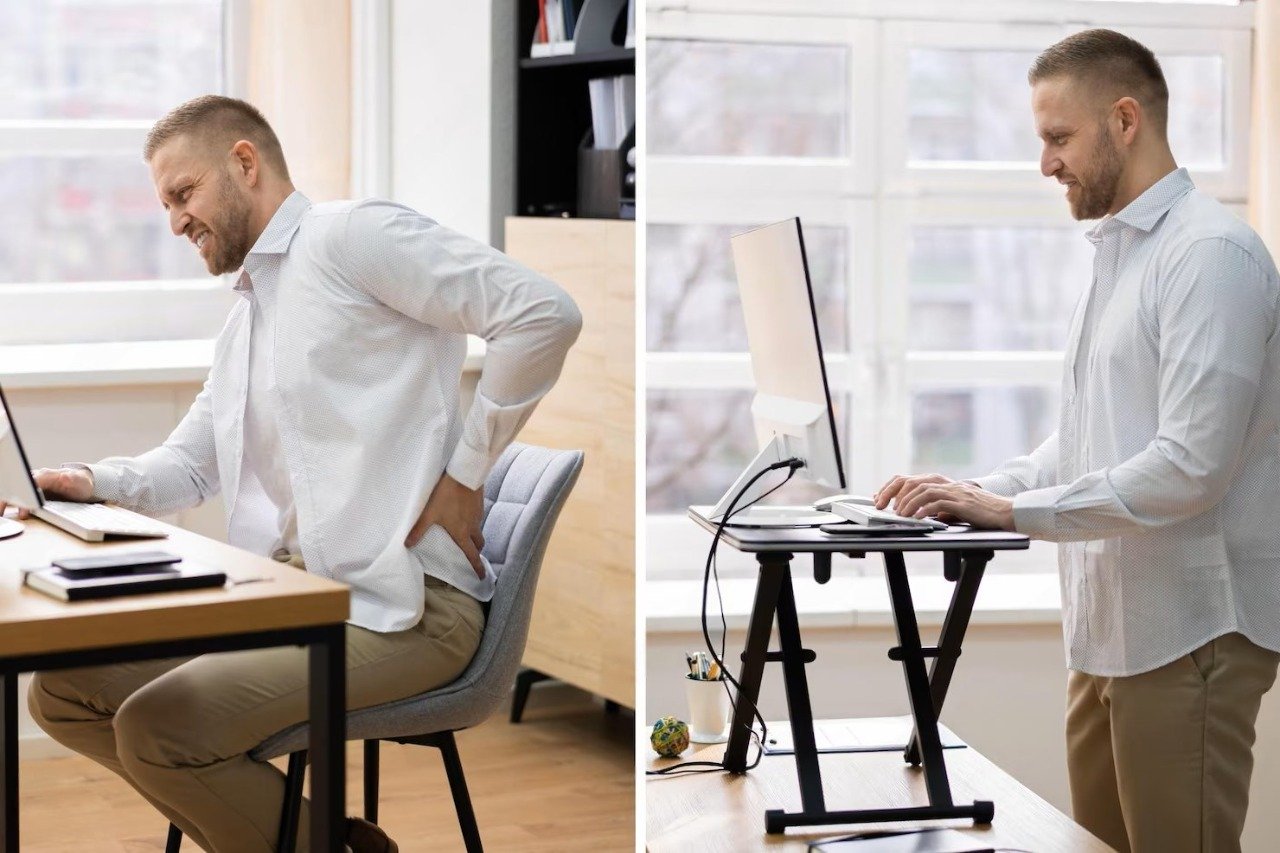
Postural disorders can develop due to several factors, including:
Symptoms may vary depending on the type and severity of the postural problem. Common symptoms include:

A detailed physical evaluation is performed to identify postural abnormalities and their underlying causes. Your specialist may assess your posture, spinal alignment, muscle strength, flexibility, joint movement, gait, and body mechanics.
Depending on your symptoms and clinical findings, diagnostic investigations such as X-rays, MRI, or other imaging tests may be recommended when necessary to evaluate the spine, joints, or surrounding structures.
Yes. Most postural disorders can be managed with non-surgical approaches. Treatment may include physiotherapy, posture correction, therapeutic exercises, ergonomic modifications, activity changes, and techniques designed to improve muscle balance and body alignment.
The treatment plan depends on the individual's posture, symptoms, physical condition, and underlying causes.
Physiotherapy plays an important role in correcting posture and improving movement. A personalized programme may include stretching, strengthening exercises, mobility exercises, core strengthening, posture training, and ergonomic guidance to improve alignment and reduce strain on the body.
Yes. Spending long periods using computers, smartphones, or other digital devices can contribute to forward head posture, rounded shoulders, and increased strain on the neck and upper back. Taking regular breaks, adjusting screen height, maintaining proper sitting posture, and performing appropriate exercises can help reduce these effects.
Maintaining good posture during daily activities can help reduce the risk of postural problems. Regular physical activity, strengthening the core and supporting muscles, taking breaks from prolonged sitting, using an ergonomically appropriate workstation, and maintaining proper body mechanics can support healthy spinal alignment.
Expert spine and joint care combining advanced diagnostics, integrated treatments, and personalized rehabilitation for lasting recovery.


Kerala’s trusted destination for advanced integrated spine and joint care.
Copyright © 2026 Aarjaya , All rights reserved.
Expert spine and joint care combining advanced diagnostics, integrated treatments, and personalized rehabilitation for lasting recovery.
Copyright © 2026 Aarjaya , All rights reserved.
Get expert spine and joint care from Aarjaya specialists through a convenient online consultation from anywhere.