
A slipped disc, also known as a herniated or prolapsed disc, occurs when the soft inner material of a spinal disc pushes through a weakened or damaged outer layer. This can irritate or compress nearby nerves, causing pain and other symptoms.
Slipped discs most commonly occur in the lower back but can also affect the neck. They may develop due to sudden injury, lifting, repetitive strain, poor posture, or age-related changes in the spinal discs. Early evaluation can help identify the cause of symptoms and guide appropriate treatment.
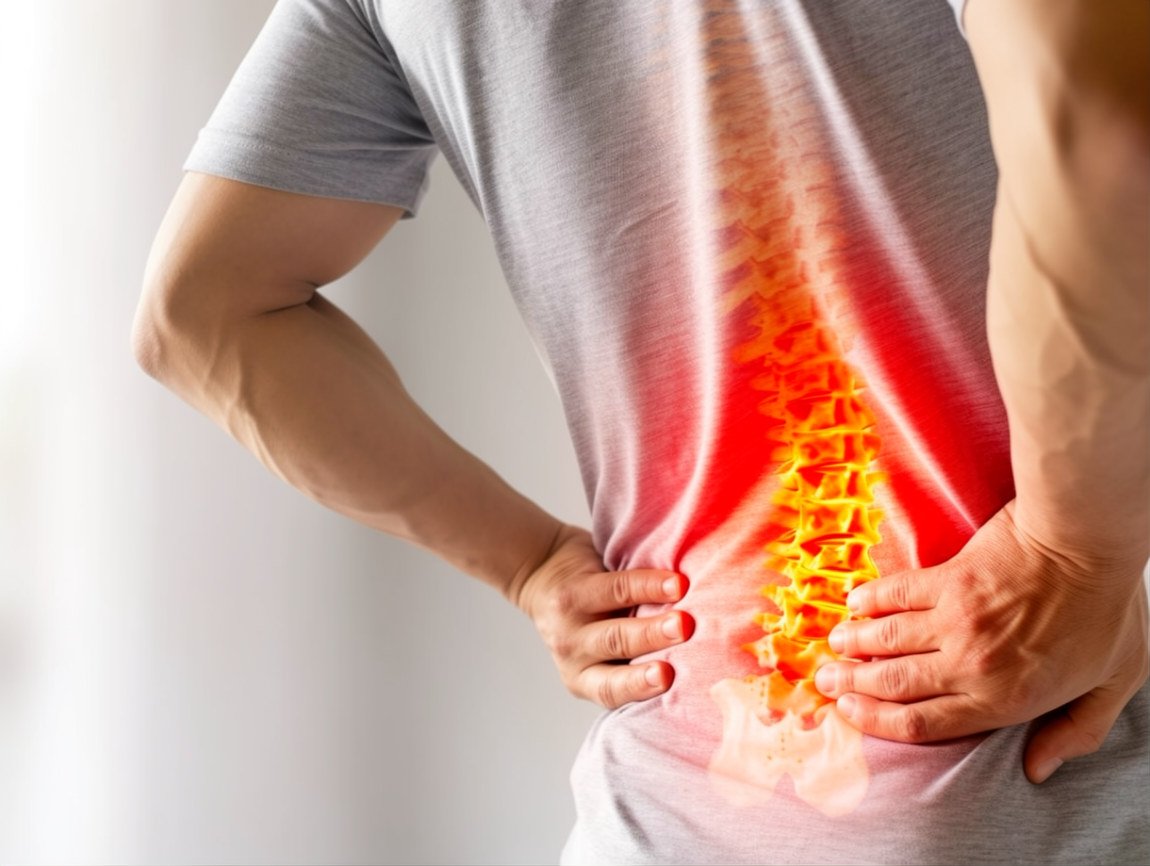
A slipped disc can develop due to several factors, including:
Symptoms may vary depending on the location of the affected disc and the nerves involved. Common symptoms include:

A detailed clinical evaluation is performed to identify the location and severity of the disc problem. Your specialist may assess your symptoms, spinal movement, muscle strength, reflexes, sensation, and neurological function.
Depending on your symptoms and examination findings, diagnostic investigations such as X-rays, MRI, CT scans, or other imaging tests may be recommended to evaluate the spinal discs, nerves, and surrounding structures.
Yes. Many slipped discs can be managed successfully without surgery. Treatment may include medication, physiotherapy, therapeutic exercises, posture correction, activity modification, and other non-surgical approaches.
The appropriate treatment depends on the location of the disc problem, severity of symptoms, and whether there is nerve compression.
Physiotherapy can help improve mobility, reduce pain, and strengthen the muscles supporting the spine. A personalized programme may include stretching, strengthening exercises, posture correction, mobility exercises, and other techniques based on the individual's condition.
Poor posture and prolonged sitting can place additional stress on the spinal discs and may contribute to disc problems over time. Maintaining proper posture, taking regular breaks, avoiding prolonged sitting, and following appropriate exercises can help reduce strain on the spine.
Surgery may be considered when severe or persistent symptoms do not improve with appropriate non-surgical treatment or when significant nerve compression is present. Progressive muscle weakness, severe nerve pain, or problems involving bladder or bowel control require urgent medical evaluation.
Expert spine and joint care combining advanced diagnostics, integrated treatments, and personalized rehabilitation for lasting recovery.
Kerala’s trusted destination for advanced integrated spine and joint care.
Copyright © 2026 Aarjaya , All rights reserved.
Expert spine and joint care combining advanced diagnostics, integrated treatments, and personalized rehabilitation for lasting recovery.
Copyright © 2026 Aarjaya , All rights reserved.
Get expert spine and joint care from Aarjaya specialists through a convenient online consultation from anywhere.